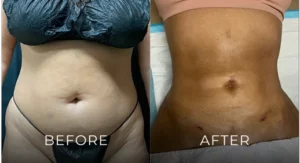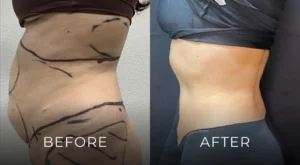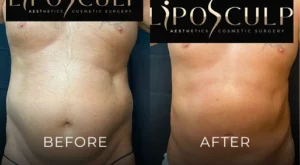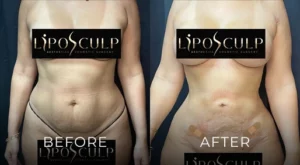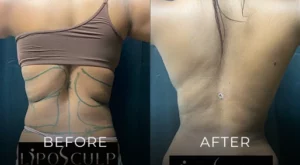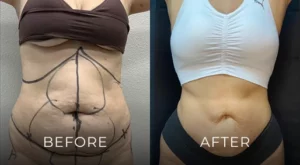
Uneven liposuction results can be distressing, but there’s hope for correction. High-definition liposuction can effectively address many cases of irregular contours and asymmetry from previous procedures, though it’s not always the sole solution. The approach depends on the specific type of irregularity – whether it involves excess fat deposits, indentations, or skin irregularities. Many patients achieve smoother, more balanced results through corrective high-definition techniques, sometimes combined with complementary procedures, such as fat transfer or skin tightening.
Understanding what went wrong with your initial procedure and exploring the full range of revision options can help you make an informed decision about whether high-definition lipo is the right corrective approach for your situation.
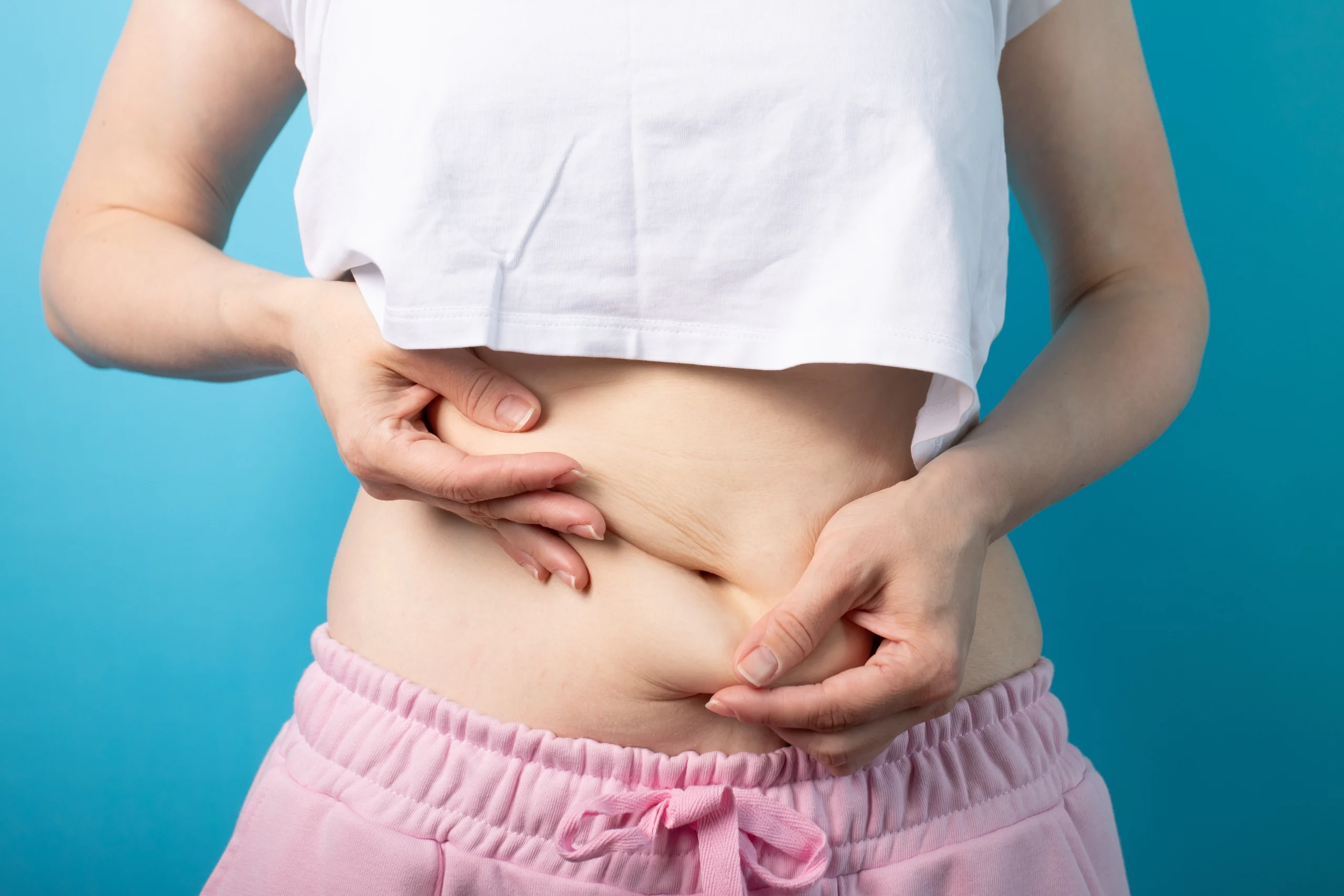
When liposuction doesn’t go as planned, the results can range from minor asymmetries to significant deformities. Common issues include:
These problems can occur due to aggressive fat removal, uneven technique, inadequate surgeon experience, or improper healing.
The psychological impact of unsatisfactory results shouldn’t be underestimated. Many patients feel self-conscious about their appearance and regret their decision to undergo the original procedure. However, it’s essential to remember that most uneven results can be improved with the proper corrective approach and an experienced surgeon.
High-definition liposuction is an advanced technique that goes beyond traditional fat removal. It involves precise, artistic sculpting of the treatment area to create natural-looking contours and even enhance muscle definition. The procedure uses specialized cannulas and meticulous technique to remove fat in specific patterns, creating shadows and highlights that mimic athletic body contours.
When used for correction, high-definition lipo can address areas where excess fat remains while carefully blending the transition between treated and untreated zones. The technique requires exceptional skill because the surgeon must work with tissue that has already been traumatized by previous surgery, which can involve scar tissue and altered fat distribution. The precision of high-definition techniques makes it particularly suitable for smoothing out irregularities and creating more natural-looking results.
High-definition liposuction works best for specific types of irregularities. If your primary concern is residual fat bulges or areas that weren’t adequately treated during your initial procedure, HD lipo can excel at removing these remaining deposits while creating smooth transitions. It’s also effective for correcting asymmetries between two sides of the body where one area had more fat removed than the other.
Candidates for HD liposuction revision typically have good skin elasticity, are at or near their ideal body weight, and have realistic expectations about outcomes. The procedure is most successful when performed at least six months after the initial surgery, allowing complete healing and final results to stabilize. Your skin quality plays a crucial role – if you have good skin tone, it will re-drape more smoothly over the newly contoured areas.
While high-definition liposuction is powerful for revision work, it has limitations. Deep indentations or divots caused by over-aggressive fat removal cannot be fixed by removing more fat – these actually require adding volume back to the area. Similarly, if you have significant skin laxity or loose, sagging skin, liposuction alone won’t address this issue and may even worsen the appearance.
Extensive scar tissue from previous procedures can make revision work more challenging and may limit the degree of improvement possible. In some cases, the tissue damage from botched liposuction is so severe that multiple corrective procedures are needed to achieve optimal results. Your surgeon will need to assess your specific situation to determine if HD lipo alone is sufficient or if additional techniques are necessary.
Many revision cases benefit from combining high-definition liposuction with other techniques. Fat grafting is particularly valuable for filling in indentations and smoothing out irregular contours. This involves harvesting fat from one area of your body, processing it, and carefully injecting it into the depressed areas to restore volume and create smooth transitions.
For patients with skin laxity issues, skin tightening procedures may be recommended alongside or instead of liposuction. These can include surgical options, such as skin excision, and non-surgical treatments, such as radiofrequency or ultrasound-based tightening. Some patients may benefit from a combination approach in which high-definition lipo addresses fat irregularities, fa
Selecting the right surgeon for liposuction repair is even more critical than choosing one for primary liposuction. You need an experienced surgeon with specific skills in revision body contouring procedures. Look for someone with extensive experience in high-definition techniques and who can show you before-and-after photos of similar revision cases.
During your consultation, a qualified surgeon will conduct a thorough examination, explain what can realistically be achieved, and outline a comprehensive treatment plan. They should be transparent about the challenges of revision work and set appropriate expectations. Don’t hesitate to seek multiple opinions – revision surgery is too important to rush into without feeling completely confident in your surgeon’s abilities and approach.
Recovery from corrective liposuction procedures typically mirrors that of primary procedures but may involve additional considerations due to the presence of scar tissue. Compression garments play a crucial role in achieving optimal results after revision surgery. These specialized garments help reduce swelling, support the healing tissues, and encourage skin re-draping over the newly contoured areas.
You’ll likely need to wear compression garments continuously for the first few weeks, then during daytime hours for several more weeks. Following this protocol diligently can significantly impact your final results. Most patients can return to desk work within a week or two, but strenuous exercise should be avoided for at least four to six weeks.
Once you’ve achieved improved contours through revision surgery, maintaining those results requires commitment to a healthy lifestyle. While liposuction procedures remove fat cells permanently, the remaining cells can still expand if you gain significant weight. Establishing consistent exercise habits and following a balanced nutrition plan will help preserve your corrected contours.
Staying hydrated, getting adequate sleep, and managing stress also help maintain your results and support overall skin health. Think of your corrective surgery as a fresh start – an opportunity to embrace habits that will keep you looking and feeling your best for years to come.
Dealing with uneven liposuction results can be frustrating, but high-definition liposuction offers a viable path to improvement for many patients. Whether used alone or combined with complementary techniques, it can help restore the smooth, natural-looking contours you originally hoped to achieve. The key is working with a skilled, experienced surgeon who can accurately assess your situation and develop a personalized correction plan.
Take time to research your options, consult with qualified specialists, and ensure you’re mentally and physically prepared for revision surgery. With the right approach and realistic expectations, you can move past your initial disappointing results and finally achieve the body contours you desire.
If you’re struggling with uneven fat removal or contour deformities from a previous liposuction procedure, LipoSculp specializes in revision liposuction and other revision procedures to help you achieve the results you deserve. Our qualified healthcare providers bring extensive plastic surgery knowledge to every case, carefully evaluating issues like irregular skin texture and developing customized treatment plans tailored to your unique needs. With personalized medical guidance throughout your journey, we’re committed to helping you understand every aspect of your correction options and setting realistic expectations for your final outcome.
Contact LipoSculp today to schedule your consultation and take the first step toward the smooth, balanced contours you’ve been seeking.
Getting uneven liposuction fixed requires a comprehensive approach that considers patient-specific factors and the full range of available correction methods. While liposuction revision surgery remains the primary solution for correcting uneven liposuction results, board-certified surgeons can help determine whether traditional liposuction, power-assisted liposuction, or other advanced techniques offer the best path forward. In cases involving both excess skin and fat, surgical correction may need to include procedures like a tummy tuck or other body contouring approaches. Some irregularities respond well to non-surgical options, such as radiofrequency skin tightening, laser therapy, or ultrasound treatments that stimulate collagen production and improve skin quality. The decision between surgical intervention and less invasive approaches depends on the severity of irregularities in the treated areas, your skin elasticity, and overall tissue health.
The recovery process after revision procedures requires patience and careful attention to proper wound care and postoperative protocols. You won’t be able to resume normal activities immediately – the initial recovery period typically requires rest, consistent use of compression garments to minimize swelling, and techniques like lymphatic drainage massage to support healing. Supporting your body’s healing process with a balanced diet rich in protein, vitamins, and nutrients promotes tissue repair and optimal outcomes, while staying hydrated and avoiding smoking are equally crucial for recovery success. Some patients may require multiple procedures to achieve their desired results, particularly in cases with significant irregularities or when combining surgical and non-surgical approaches over time.
Ultimately, the journey to correcting botched liposuction outcomes is highly individual and requires collaboration with experienced board-certified plastic surgeons who can guide you through every decision. Whether your correction involves advanced liposuction techniques, fat grafting, skin tightening, or a combination of approaches, the goal remains the same: restoring natural-looking contours and your confidence. While visible scarring and extended recovery are concerns many patients have, modern techniques and meticulous surgical skill can minimize these issues significantly. By maintaining realistic expectations, following your surgeon’s guidance throughout the healing process, and committing to a balanced diet and healthy lifestyle afterward, you can move beyond disappointing initial results and finally achieve the body contours you envisioned from the start.