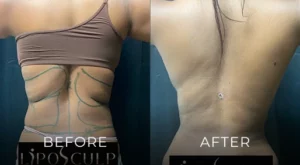
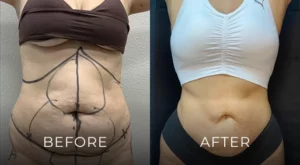
Several factors determine how long your liposuction results will last and how satisfied you’ll be with the outcome over time. Understanding these elements can help you set realistic expectations and take appropriate steps to protect your investment.
1. Weight Stability and How Much Weight You Gain
The most significant factor affecting the longevity of your results is whether you gain weight after surgery. While the treated areas have fewer fat cells and are less prone to expansion, the remaining cells throughout your entire body can still grow larger with weight gain. If you gain a substantial amount of weight, you may notice fat accumulating in previously untreated areas or even some return of fullness in treated zones.
Most plastic surgeons recommend that patients be at or near their goal weight before undergoing liposuction. The procedure works best as a body-contouring tool rather than a weight-loss solution. Ideally, you should maintain your weight within a 10-15-pound range after surgery to preserve optimal results.
2. Following a Healthy Diet
Maintaining a healthy diet is essential for long-lasting liposuction results. After your procedure, committing to nutritious eating habits helps prevent weight gain and ensures your new contours remain visible. A balanced diet rich in lean proteins, fruits, vegetables, whole grains, and healthy fats provides your body with the necessary nutrients while controlling calorie intake.
Avoiding excessive consumption of processed foods, sugary beverages, and high-calorie snacks is particularly important. These foods can lead to rapid weight gain, potentially compromising your surgical results. Many patients find that their liposuction procedure motivates them to adopt healthier eating patterns, creating a positive cycle of improved self-image and wellness.
3. How Much Fat Was Removed
The amount of fat removed during your procedure can also influence how noticeable changes might be if you do gain weight later. Patients who had larger volumes of fat removed may find their results more forgiving of minor weight fluctuations. Conversely, those who had smaller, more refined contouring may notice changes more quickly with weight gain.
Safety guidelines typically limit the amount of fat that can be removed in a single session. Most surgeons remove no more than 5 liters (11 pounds) of fat during a single procedure, though this varies depending on individual circumstances and whether the surgery is performed in an accredited surgical facility with appropriate monitoring.