What Happens Week by Week in Lipo360 Recovery Timeline?

Lipo360 is one of the most comprehensive body-contouring procedures available today, targeting the entire midsection, including the abdomen, flanks, lower back, and waist, for a dramatically sculpted silhouette. If you’re considering the procedure or have just scheduled your surgery, one of the first things you want to know is how long recovery actually takes. Most patients move through the core of their recovery within six weeks, though the full Lipo360 recovery timeline, from initial swelling to your final shape, can stretch anywhere from three to six months. The good news is that most people feel well enough to return to light daily activities within one to two weeks and resume more strenuous movement by weeks four to six.

Jump to:

What Is Lipo360 and How Does Fat Removal Work?

Lipo360 uses advanced liposuction techniques, often including VASER or power-assisted liposuction, to remove stubborn fat deposits from all angles of the torso in a single surgical session. Unlike traditional liposuction, which focuses on a single area, Lipo360 addresses the entire circumference of the midsection, which is why the results tend to look so natural and proportionate.

The procedure itself typically takes two to four hours under general anesthesia or deep sedation. Small incisions are made in discreet locations, a thin cannula is inserted, and excess fat is carefully removed while preserving the surrounding tissue. The result is a smoother waistline, but getting there requires patience during recovery.

Liposuction Recovery: What to Expect Overall

Recovery from Lipo360 is not a single moment. It’s a gradual process that unfolds in distinct phases. The first two weeks are the most physically demanding. After that, each week brings measurable improvement in comfort, mobility, and visible shape. Swelling is the biggest variable during recovery; it distorts your shape early on and fades slowly over months. Understanding this timeline helps set realistic expectations and keeps you from panicking when progress feels slower than you’d like.

The First Week: Managing Discomfort and Swelling

The first week is undeniably the most challenging stretch of your recovery. You’ll leave the surgery center in a compression garment, and you’ll likely feel sore, swollen, and fatigued. Bruising is common and can appear more dramatic than expected. Most patients describe the sensation as a very intense workout (deep muscle soreness rather than sharp pain), which is typically well managed with prescribed medication.

During this phase, your body is actively healing the treated areas. You should:

  • Rest as much as possible, but take short walks every few hours to encourage circulation and reduce clotting risk

  • Sleep with your upper body slightly elevated to minimize swelling

  • Avoid sitting or lying directly on your back for extended periods if your lower back has been treated

  • Stay well-hydrated and eat light foods

  • Avoid strenuous activity, heavy lifting, and anything that raises your heart rate significantly

Most patients take one to two weeks off work, depending on how physically demanding their job is. By day seven, many people feel noticeably better than they did on day one.

The Healing Process: Weeks 2-6

  • Week two marks a turning point. Most people reduce or stop taking prescription pain medication and begin moving more freely. The swelling is still prominent, but the bruising starts to fade. You may notice areas of firmness or lumpiness beneath the skin. This is completely normal and results from fluid redistribution and tissue healing beneath.

  • By weeks three and four, fatigue diminishes significantly, and you’ll likely feel much more like yourself. Light exercise, such as walking, is usually encouraged by this point. However, anything high-impact, such as running, cycling, or heavy resistance training, should still wait.

  • Weeks five and six are when many patients start to genuinely enjoy their emerging results. Swelling has decreased enough that the new shape is visible, though it is not yet fully refined.

Compression Garments and Why They Matter

One of the most important tools in your recovery arsenal is your compression garment. You’ll wear it continuously for the first two to four weeks, then part-time for several more weeks after that. These fitted garments apply gentle pressure to the treated areas, which helps:

  • Minimize swelling and fluid accumulation

  • Support the skin as it retracts and adheres to the new contours

  • Reduce the risk of irregularities or uneven healing

  • Provide comfort and a sense of physical support during movement

Skipping or prematurely discontinuing your compression garment is one of the most common mistakes patients make, and one of the most impactful on final results.

Watching Your Body Contours Take Shape

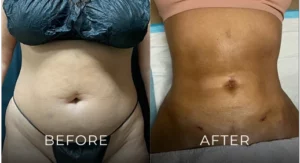
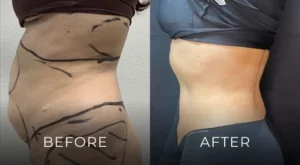
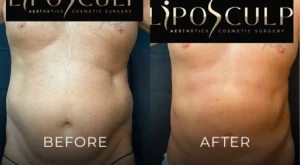
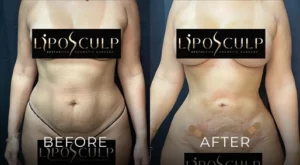
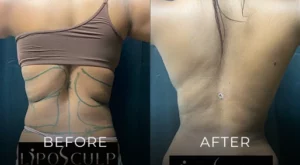
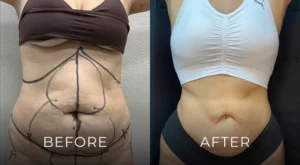
Between months two and four, swelling continues to subside, and your body contours become increasingly defined. This is one of the most rewarding phases of Lipo360 recovery, even though the changes can feel frustratingly slow in real time. The waist narrows, the flanks smooth out, and the overall silhouette begins to reflect the work done during surgery.

Residual swelling during this period tends to fluctuate. You may notice you look slightly puffier after a salty meal, a long day on your feet, or an intense workout. This is normal. The lymphatic system is still processing fluid, and it takes time for that function to fully normalize in the treated areas.

Scar massage and lymphatic drainage massage, recommended by many surgeons starting around week three or four, can meaningfully accelerate this phase.

When Will You See Final Results?

The honest answer is that final results from Lipo360 typically appear between three and six months post-surgery. For some patients with larger treatment areas or slower healing, it can take up to a full year for the skin to fully settle and for residual swelling to resolve completely.

By the six-month mark, what you see in the mirror is essentially your permanent result, assuming your weight stays stable. The contours are refined, the skin has retracted, and any remaining irregularities have largely smoothed out.

Maintaining a Healthy Lifestyle After Lipo360

Lipo360 removes fat cells permanently, but it doesn’t prevent new fat from forming if your weight increases. Committing to a healthy lifestyle after your procedure helps protect and preserve your results long-term. This means eating a balanced diet, staying consistently active, and maintaining your weight within a reasonable range of your surgical weight.

That said, Lipo360 isn’t a weight-loss procedure. It’s a body-sculpting tool, and it works best when paired with an already reasonable level of health and fitness. Patients who stay active after surgery often see even better long-term outcomes because the muscles beneath the treated areas become more defined over time.

When to Contact Your Board-Certified Plastic Surgeon

Recovering from Lipo360 involves many normal but alarming sensations, such as itching, numbness, tingling, firmness, and asymmetry, all of which are expected. However, certain symptoms warrant an immediate call to your surgeon’s office:

  • Fever above 101°F (38.3°C)

  • Sudden increase in pain or swelling in one area

  • Redness, warmth, or discharge at an incision site

  • Shortness of breath or chest pain

  • Significant asymmetry that isn’t improving after two to three months

Choosing a board-certified surgeon from the outset and maintaining open communication throughout your recovery are the most important factors in both your safety and your outcome. Don’t hesitate to reach out with concerns at any point in the process.

Schedule Your Lipo360 Procedure at LipoSculp

If you’re ready to say goodbye to unwanted fat and finally achieve the body shape you’ve been working toward, LipoSculp is here to guide you every step of the way. Our experienced team will walk you through every detail of your liposuction procedure, from your initial consultation to post-operative care, ensuring you have everything you need for proper healing and lasting results.

Contact LipoSculp today to schedule your personalized consultation and take the first step toward a more sculpted, confident you.

Final Thoughts on Lipo 360 Recovery Timeline

Understanding your liposuction recovery timeline is just as important as preparing for the surgical procedure itself. Lipo360 is performed as an outpatient procedure, meaning you’ll return home the same day, but the recovery process requires real commitment and patience. In the days following liposuction surgery, you can expect significant swelling, fluid buildup, and significant pain, all of which are normal responses as your body begins to heal. Taking your prescribed pain medication as directed, wearing your compression garment correctly to avoid restricting blood flow, and incorporating light walking into your routine will all help your body heal faster. It’s equally important to follow a healthy diet, stay hydrated, and avoid anything that contributes to fluid retention or excess inflammation in the early weeks. Most patients can ease back into normal activities within two to four weeks, though strenuous exercise should be avoided for about eight weeks to allow the tissues to fully stabilize.

The long-term success of your results depends on more than just what happens in the operating room. Skin tightening and improvements in skin elasticity continue gradually for months after surgery, particularly in patients who maintain a stable weight rather than pursuing significant weight loss too quickly post-operatively. Staying vigilant for warning signs, such as unusual warmth, sudden swelling, or symptoms that might indicate blood clots or persistent fluid buildup despite wearing compression, is critical throughout your recovery. Work closely with your surgeon, attend every follow-up appointment, and resist the urge to return to strenuous activity before you’re medically cleared. When you respect the process and give your body the time it needs to reduce swelling and heal from the inside out, the results speak for themselves, and they’re absolutely worth it.