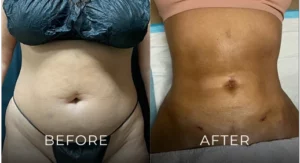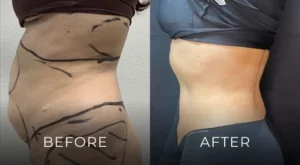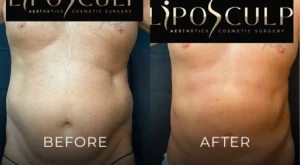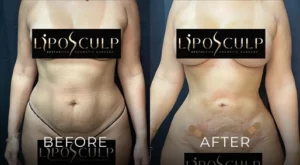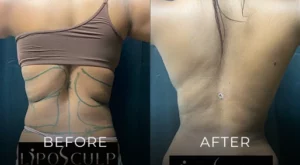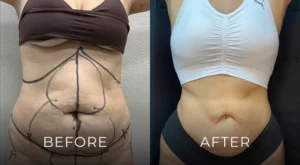
Liposuction can last a lifetime when patients maintain a stable weight after the procedure. The fat cells removed during liposuction are permanently gone and will not regenerate in the treated areas. However, remaining fat cells throughout your body can still expand if you gain significant weight after surgery, which means the results depend heavily on your commitment to maintaining a healthy lifestyle. Most patients who stay within 10-15 pounds of their post-surgery weight can expect to enjoy their improved contours indefinitely.

Traditional liposuction uses mechanical movement to dislodge fat cells before removal. Meanwhile, laser-assisted liposuction employs laser energy to liquefy fat before extraction, often resulting in less bruising and a smoother recovery. Ultrasound-assisted and power-assisted variations also exist, each offering unique benefits depending on the treatment area and the amount of fat being removed.
One of the most critical aspects of liposuction surgery is understanding what happens to your fat cells during and after the procedure. Adults have a fixed number of fat cells in their bodies, established during childhood and adolescence. When you gain weight, these cells expand in size rather than multiplying. Conversely, when you lose weight, the cells shrink but don’t disappear.
Liposuction permanently removes fat cells from targeted areas. Once these cells are suctioned out, they’re gone for good and cannot regenerate. This permanent removal is what makes the results potentially long-lasting. The treated areas will have fewer fat cells, making them less likely to accumulate fat in the future than untreated areas.
However, it’s crucial to understand that liposuction doesn’t remove all fat cells from the treated area. Some cells must remain to maintain normal body function and appearance. These remaining cells can still expand if you consume more calories than you burn, which is why weight maintenance is essential for preserving your results.
The most significant factor affecting the longevity of your results is whether you gain weight after surgery. While the treated areas have fewer fat cells and are less prone to expansion, the remaining cells throughout your entire body can still grow larger with weight gain. If you gain a substantial amount of weight, you may notice fat accumulating in previously untreated areas or even some return of fullness in treated zones.
Most plastic surgeons recommend that patients be at or near their goal weight before undergoing liposuction. The procedure works best as a body-contouring tool rather than a weight-loss solution. Ideally, you should maintain your weight within a 10-15-pound range after surgery to preserve optimal results.
Maintaining a healthy diet is essential for long-lasting liposuction results. After your procedure, committing to nutritious eating habits helps prevent weight gain and ensures your new contours remain visible. A balanced diet rich in lean proteins, fruits, vegetables, whole grains, and healthy fats provides your body with the necessary nutrients while controlling calorie intake.
Avoiding excessive consumption of processed foods, sugary beverages, and high-calorie snacks is particularly important. These foods can lead to rapid weight gain, potentially compromising your surgical results. Many patients find that their liposuction procedure motivates them to adopt healthier eating patterns, creating a positive cycle of improved self-image and wellness.
The amount of fat removed during your procedure can also influence how noticeable changes might be if you do gain weight later. Patients who had larger volumes of fat removed may find their results more forgiving of minor weight fluctuations. Conversely, those who had smaller, more refined contouring may notice changes more quickly with weight gain.
Safety guidelines typically limit the amount of fat that can be removed in a single session. Most surgeons remove no more than 5 liters (11 pounds) of fat during a single procedure, though this varies depending on individual circumstances and whether the surgery is performed in an accredited surgical facility with appropriate monitoring.
Selecting an experienced surgeon is crucial for achieving results that stand the test of time. A skilled surgeon will not only perform the procedure properly but also help you understand realistic expectations and provide guidance on maintaining your results long-term.
During your consultation, your surgeon should evaluate your overall health, discuss your goals, and explain which liposuction technique would work best for your situation. They should also be honest about what liposuction can and cannot achieve. The procedure is designed to remove stubborn fat deposits that resist diet and exercise, not to serve as a substitute for weight loss or healthy living.
Look for a surgeon with extensive liposuction experience and who can show you before-and-after photos of previous patients. This vetting process helps ensure you receive high-quality care and realistic projections about your results.
Beyond maintaining a stable weight and following a healthy diet, several other lifestyle factors can help you enjoy your liposuction results for years to come. Regular exercise is essential, as it helps burn calories, build muscle, and keep your metabolism active. Aim for at least 150 minutes of moderate aerobic activity or 75 minutes of vigorous activity per week, combined with strength training exercises.
Staying hydrated, getting adequate sleep, and managing stress also contribute to overall wellness and weight stability. These habits support your body’s natural processes and make it easier to maintain the healthy weight needed to preserve your surgical results.
Regular follow-up appointments with your plastic surgeon allow you to monitor your results and address any concerns. Your surgeon can offer personalized advice on maintaining your outcome and may suggest complementary treatments if needed over time.
Fat removal through liposuction represents one of the most effective plastic surgery procedures for addressing stubborn pockets of body fat that resist traditional diet and exercise efforts. Whether you choose tumescent liposuction, power-assisted liposuction, or another advanced technique, the fundamental principle remains the same: liposuction removes fat cells permanently from targeted areas. Unlike a weight-loss procedure, this surgery focuses on body contouring rather than overall weight reduction, making it ideal for patients who are already near their goal weight and want to refine specific areas.
The recovery process typically requires wearing compression garments for up to six weeks to support healing, minimize swelling, and help your skin conform to your new contours. These garments also protect blood vessels as they heal and adapt to the changes in the treated areas. While liposuction effectively eliminates excess fat cells, it’s essential to understand that your body can still store fat in remaining cells if you gain weight after surgery. This is why maintaining a healthy lifestyle is crucial for preserving your results in the long term.
For patients who have experienced significant weight loss and are left with loose skin, liposuction alone may not be sufficient. In such cases, procedures like a tummy tuck may be more appropriate or can be combined with liposuction to achieve optimal results. Your plastic surgeon will evaluate your individual situation and recommend the best approach for your body and goals.